
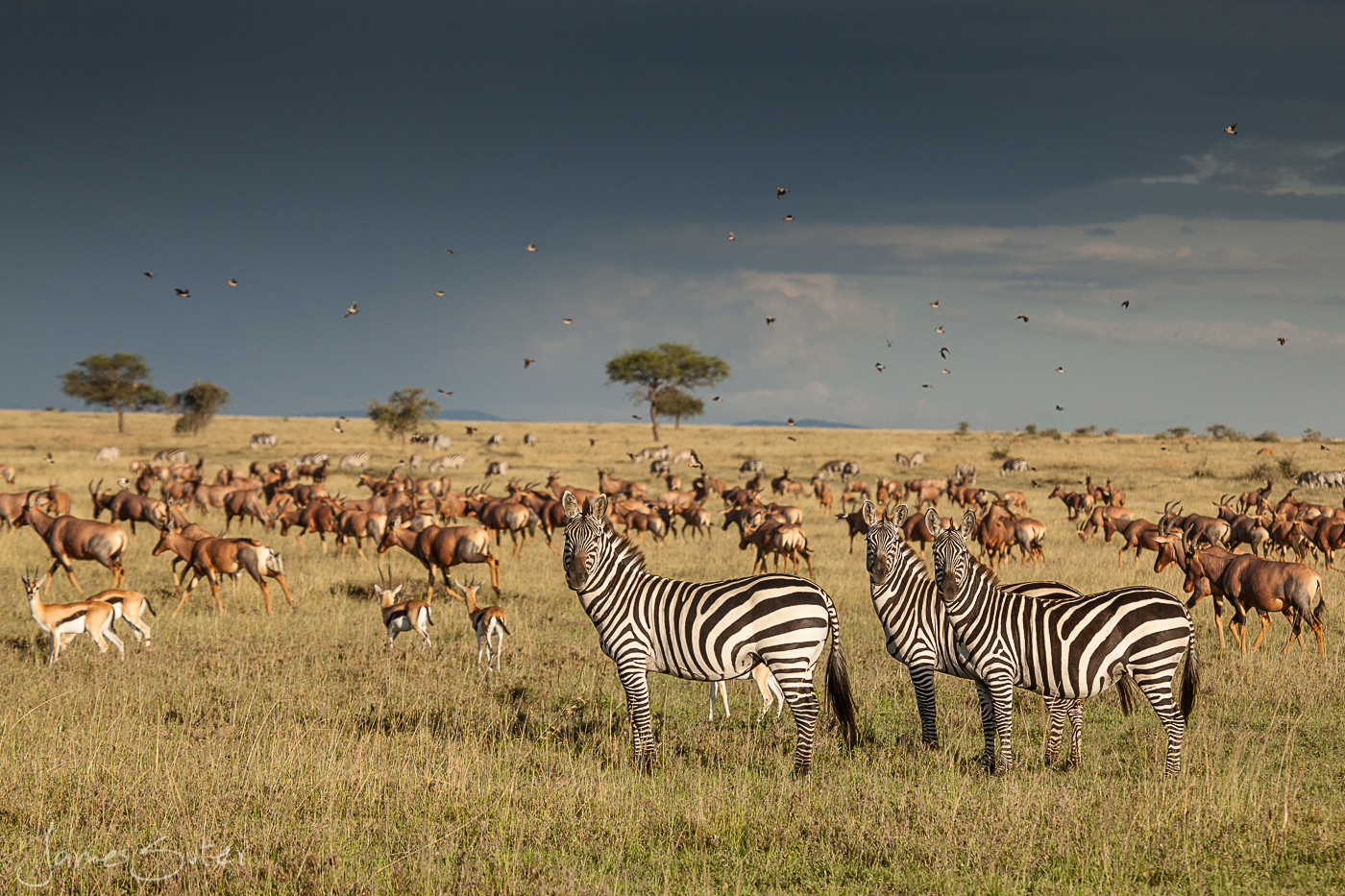
Wildlife plays a crucial role in maintaining the balance of ecosystems and supporting the health of our planet. For those who have a passion for animals, nature, and environmental protection, building a career in wildlife conservation can be both rewarding and impactful. However, pursuing such a career requires more than just interest—it demands knowledge, skills, and practical experience. This is where courses in wildlife conservation become essential. They offer aspiring wildlife experts the tools they need to make meaningful contributions to the protection and preservation of wildlife.
Understanding the Importance of Wildlife Conservation
Wildlife conservation is about protecting species, habitats, and ecosystems to ensure the survival of diverse forms of life. Human activities, climate change, and habitat destruction have put many species at risk, making the role of conservation professionals more important than ever. By understanding these challenges, aspiring wildlife experts can develop strategies to protect animals and their environments. Courses in wildlife conservation provide the knowledge required to understand ecological systems, species behavior, and conservation techniques. They create a strong foundation for anyone who wants to make a difference in the field.
Gaining Specialized Knowledge Through Courses
One of the biggest advantages of taking formal courses in wildlife conservation is the specialized knowledge they offer. These courses cover a wide range of topics, from animal biology and environmental science to conservation policies and field research methods. This knowledge is vital for understanding the complex relationships between animals and their habitats. For example, learning about endangered species and their ecosystems can help wildlife experts develop effective strategies for protection and rehabilitation. Specialized knowledge also ensures that conservation efforts are informed, scientific, and sustainable.
Developing Practical Skills for Fieldwork
Wildlife conservation is not just about studying animals in theory—it also involves hands-on work in the field. Courses in wildlife conservation often include practical training, such as wildlife monitoring, habitat restoration, and animal care techniques. These practical skills prepare students for real-world challenges, enabling them to work effectively in wildlife reserves, national parks, or research organizations. Field experience gained through these courses allows aspiring experts to apply their knowledge directly, enhancing both their confidence and competence in conservation work.
Building Career Opportunities
Completing courses in wildlife conservation can open doors to a wide range of career opportunities. Graduates can work as wildlife biologists, conservation officers, environmental educators, or research scientists. The training also makes candidates more competitive for positions in government agencies, non-profit organizations, and international conservation programs. Employers value candidates who have both theoretical knowledge and practical experience, making formal courses an important step toward a successful career in wildlife conservation.
Networking and Professional Growth
Another significant benefit of enrolling in courses in wildlife conservation is the opportunity to connect with like-minded individuals and professionals. These courses often provide access to experienced instructors, field mentors, and conservation communities. Networking with peers and experts allows students to exchange ideas, collaborate on projects, and learn about the latest trends and technologies in wildlife protection. Such professional connections can be invaluable when seeking internships, job placements, or guidance for future research initiatives.
Staying Updated on Conservation Trends
The field of wildlife conservation is constantly evolving due to scientific discoveries and environmental changes. Taking formal courses in wildlife conservation ensures that aspiring experts stay informed about the latest research, conservation strategies, and policy developments. Staying updated is crucial for implementing effective conservation practices and making informed decisions that benefit both wildlife and human communities. Continuous learning through these courses equips students with the knowledge needed to adapt to new challenges in the conservation landscape.
Conclusion
For anyone passionate about protecting wildlife and contributing to environmental sustainability, courses in wildlife conservation are a smart choice. They provide essential knowledge, practical skills, career opportunities, and professional networks that are crucial for success in this field. By enrolling in these courses, aspiring wildlife experts gain the tools they need to make a meaningful impact, helping preserve our planet’s precious biodiversity for future generations. Choosing to invest in wildlife conservation education is not only an investment in one’s career but also in the well-being of the natural world.